The Warning Signs and Myths Around Poor Dental Health in Pets: Everything You Need to Know
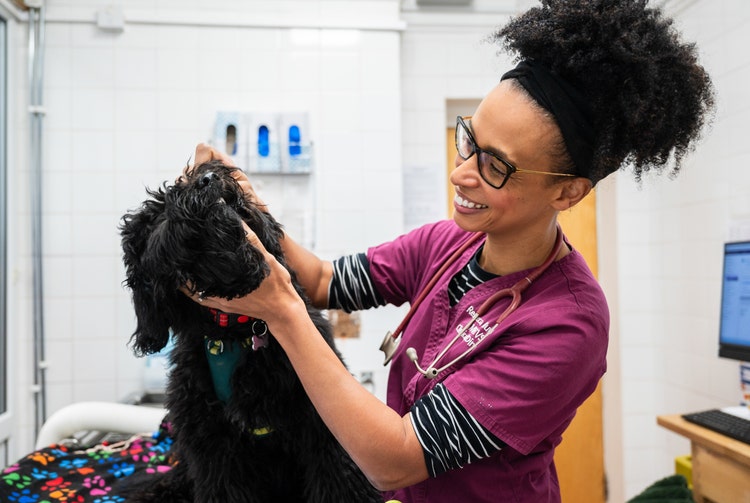
We know that everyone loves their pets. But not everyone can see the signs of poor pet dental health, such as persistent bad breath, visible tartar build-up, or signs of discomfort while eating.
Poor dental hygiene can massively affect a pet’s quality of life, potentially leading to further issues such as inflammation in other areas of the body. This can cause discomfort when engaging in day-to-day activities such as eating and being active. Ensuring that pets’ teeth and gums are healthy is key to them enjoying a better quality of life and getting the most out of their day.
To help any pet lovers and owners spot the signs of poor pet dental health and avoid any issues, we’ve put together this blog after speaking to Dr Jose Carlos Almansa Ruiz, who is our Consultant in Dentistry. Below, he breaks down some routines to try, what you need to know, and debunks some of the most common misconceptions when it comes to pet oral health.
Why regular teeth brushing matters
Brushing your pet’s teeth regularly is one of the best methods to protect their health.
Dr Jose Carlos Almansa Ruiz says that one of the most common issues and conditions found with cats and dogs is dental disease, with plaque quickly forming on their teeth just hours after eating. Though it may sound minor at first, if it isn’t removed, it can harden into tartar, leading to bigger problems such as gingivitis, bacterial infection, pain, and even tooth loss.
What’s worse is that your pets may not even show any symptoms at all, leaving owners none the wiser.
However, good oral hygiene isn’t just about keeping the teeth clean – it’s a preventative measure against more serious issues. With chronic dental disease affecting a pet’s quality of life day-to-day and potentially causing inflammation around the body, maintaining dental health is vital.
The surprising impact of poor dental health
With dogs and cats being remarkably good at hiding discomfort, pain is one of the most surprising consequences of poor oral health in pets. Many owners may presume that their pets are fine because they’re still eating normally, but this can be far from the case.
Dr Jose Carlos Almansa Ruiz says that plenty of pets with issues such as severe dental disease, mobile teeth, exposed tooth roots, fractured teeth, and oral infections continue to eat normally despite being in pain, showing no signs of anything being wrong.
Once these pets receive dental treatment, owners can often be surprised by how much happier, brighter, and more energetic they seem, having not realised how much chronic pain their pet was experiencing.
Common myths about pet dental care
Though many pet owners may consider themselves to be knowledgeable about pet health and oral hygiene, there are plenty of misconceptions about pet dental care.
“Bad breath is normal.”
Though many people feel that bad breath in cats and dogs is normal, it isn’t. If a pet has persistent halitosis, this is usually one of the main signs of dental disease in dogs and cats.
“Dry food cleans teeth.”
While it’s possible for some specially formulated dental diets to help with dog and cat teeth cleaning, standard kibble won’t work effectively. This means that using other methods such as brushing is still important.
“My pet still eats, so their teeth must be fine.”
Even with dental pain and problems, many pets will continue to eat as usual. With pets being so good at masking their dental issues, it means that owners need to be extra vigilant and proactive with their dog or cat dental care.
“Dental disease is just an ageing issue.”
Dental disease may be more common in older pets, but this doesn’t mean that age is the only factor at play. Even young animals can experience dental disease, with it being largely related to plaque accumulation.
“Giving hard treats such as deer antlers and bones are great to keep teeth clean.”
This is one of the most common misconceptions Dr Jose Carlos Almansa Ruiz has seen. Many dogs that are given access to these types of treats are brought to consultations with fractured teeth, having the opposite effect to what pet owners expect.
“Tennis balls are safe for teeth.”
Though tennis balls themselves are soft, once they’ve rolled on the floor, they easily pick up grit and dirt. When a pet chews the ball, this acts as a sort of ‘sandpaper’ and turns into a harsh abrasive that can wear the teeth down.
Introducing your pet to teeth brushing
Though many pet owners want to help their pets and ensure that they stay healthy, not all follow through with dental treatments or tooth brushing.
Dr Jose Carlos Almansa Ruiz believes that the main reasons for this are either that the pets are not tolerating it, or that owners themselves lack the time.
To start building the routine in an effective way, he says the best method is to begin gradually and to try and make the experience as positive as possible. It’s common for pets to initially not accept tooth brushing from the beginning, but they can learn to tolerate brushing and potentially even enjoy it if it’s introduced with praise, rewards, and patience.
Though some may be fixating on perfection, the best way to go about building a brushing routine is consistency. Even a short, quick session can be beneficial, becoming even easier once brushing is part of your pet’s daily routine.
How to approach brushing your pet’s teeth
A gradual approach is always recommended by Dr Jose Carlos Almansa Ruiz, especially for pets that haven’t had their teeth brushed before. This step-by-step approach is one of the best ways to learn how to brush a cat or dog’s teeth effectively:
- Allow the pet to get used to having their muzzle and lips gently handled.
- Introduce a pet-safe toothpaste and let them lick it from your finger.
- Rub the toothpaste gently along the outer surfaces of the teeth using a finger.
- Introduce a finger brush or soft bristle toothbrush.
- Gradually increase the number of teeth brushed over several sessions.
- Always reward calm behaviour with praise or treats.
This process may not be quick and it may take time. Some pets can take days or even weeks to adjust to their new routine, but it’s dependent on the individual pet. This is completely normal, however, and having an adjustment period is nothing to be concerned about.
How often should you brush your pets’ teeth?
The gold standard is to brush pets’ teeth daily, with plaque forming incredibly fast after eating.
If owners aren’t consistent with teeth cleaning, then plaque will accumulate, harden into tartar, and lead to cat and dog gum disease, pain, tooth loss, and even tooth infections.
If having a daily routine isn’t possible, two or three times a week is better than not at all, but brushing every day provides the best protection for your pet. However, brushing any less than twice a week is generally considered ineffective.
The correct way to brush your pet’s teeth
When brushing your pet’s teeth, the best technique is to focus on the outer surfaces as this is where plaque tends to accumulate the most.
There are also a few things that Dr Jose Carlos Almansa Ruiz says owners should definitely do:
- Use a soft-bristled pet toothbrush or finger brush.
- Lift the lip gently rather than forcing the mouth open.
- Hold the brush at approximately a 45-degree angle to the gumline.
- Use gentle circular motions.
- Concentrate on the canine teeth, premolars, and molars.
- Reward the pet afterwards.
Though the length of a brushing session can vary depending on the pet’s size and tolerance, anywhere between 30 seconds to two minutes is sufficient.
When should you start brushing your pet’s teeth?
Owners should begin brushing their pet’s teeth as soon as they bring their pet home.
Introducing brushing as early as possible helps pets to accept it as a normal part of life, with puppies and kittens being much more receptive to handling and training than older animals.
Dr Jose Carlos Almansa Ruiz says not to be concerned about baby teeth, as you can still begin brushing gently even before all the adult teeth have fully emerged and formed. The main aim is to develop positive habits and tolerance rather than achieving perfect cleaning from the start.
Common teeth brushing mistakes to avoid
Even if owners have the best intentions when brushing their pet’s teeth, they can still make mistakes.
Dr Jose Carlos Almansa Ruiz says that some owners have tried using human toothpaste, which may contain ingredients that are unsafe for pets. Only ever use pet-safe formulas as this is the safest and most effective method to maintain your pet’s dental health.
Brushing too aggressively and causing discomfort is another thing some owners have done. Gentle brushing is always recommended as pets’ teeth can be highly sensitive, especially if they already have gum disease.
Some owners have also expected immediate cooperation from the pet. It’s important to remember that pets will not always cooperate so patience is key.
Trying to brush all teeth on the first attempt is another common mistake. Especially on the first try, it doesn’t matter if all teeth aren’t brushed as the habit is more important than perfection.
Only starting to brush once dental disease is already present is one of the worst errors owners can make. Being proactive is so crucial as, once dental disease has begun, it’s much harder to get rid of and puts pets through unnecessary discomfort and pain.
It can be hard to get your pets to cooperate, so many people give up after one or two unsuccessful attempts. It may not be easy to begin with, but being persistent is so important to maintain your pet’s dental hygiene.
Relying solely on treats, chews, or dry food instead of brushing is another common mistake that pet owners make. Though certain treats and foods can have benefits, brushing is always the best solution to keep your pets safe from dental disease.
Choosing the right type of toothbrush and toothpaste
When trying to brush pets’ teeth, Dr Jose Carlos Almansa Ruiz says it’s best to use a soft-bristled pet toothbrush that’s appropriately sized for the animal, even using a finger brush if the pet is much more comfortable.
Owners should also make sure to only use a veterinary-approved toothpaste. Human toothpaste should never be used as an alternative.
When brushing, only a small amount of toothpaste is required, which is typically around a pea-sized quantity (potentially even less for smaller pets). Understandably, people are concerned about the volume of toothpaste used, but the brushing action is always more important. If done correctly, brushing can make dog and cat teeth cleaning much easier and more effective over time.
How often should pets have dental checks?
Dr Jose Carlos Almansa Ruiz recommends that your pet gets their teeth professionally checked at least once a year, though this can be dependent on the pet.
Normally, pets will have a dental assessment included within their annual health check, but some breeds and individuals may benefit from more regular examination as they are at significantly higher risk of dental disease.
Certain smaller dog breeds and pets with a history of dental problems should be monitored every six months, or potentially more frequently if advised by a veterinary professional.
One thing every pet owner should know about their pet’s teeth
If there is one thing Dr Jose Carlos Almansa Ruiz believes every owner should know, it’s that dental disease is far more than a cosmetic issue.
Bad breath isn’t normal and many pets will suffer silently and endure significant oral pain without showing any signs of dental disease. Just a few minutes of daily dental care can dramatically improve the health of cats and dogs, benefitting their quality of life, comfort, and preventing painful and costly procedures down the line.
Smiles for Life
Because pets’ dental hygiene and health is so important, we’re introducing our ‘Smiles for Life’ campaign.
Beginning on the 1October and running until 18 December 2026, the Smiles for Life campaign has an offer that provides a variety of dental benefits. The offer includes a free dental appointment with either a vet or a nurse, an oral examination, recommendations for home care, dental diet advice, and dental treatment where appropriate.
On top of this, all attending clients will receive a free dental gift bag including a package of either Hill’s Tooth and Dental Care dry food or Hill’s Vet Essentials Dental Diet, alongside a £10 discount voucher to use for purchasing further dental food. This offer is open to all canine and feline patients over the age of six.
Here at CVS Vets, we also offer a variety of other dentistry services such as full dental checks and professional dog and cat teeth cleaning where required, ensuring that your pets stay happy and healthy.