Obesity In Pets
It is estimated that up to 65% of dogs and 50% of cats in the UK are obese, defined as having excessive body fat. We are familiar with the idea that many health problems in people are linked to obesity, and the same is true for our pets.
Overweight animals, including cats, dogs and rabbits, are more likely to suffer from other health conditions. Recent studies have demonstrated that white adipose tissue (fat) actually secretes several hormones and chemical markers. As a result, obese patients suffer from chronic inflammation which affects many different body systems. Overweight cats and dogs experience more frequent joint problems, airway disease, diabetes, skin problems, pancreatitis, incontinence, bladder stones, heat stroke, and have shorter lifespans. Overweight pets have an increased risk of cancer, and increased risks during anaesthetics or surgery. All of these factors mean pets suffering from obesity not only require more veterinary care, but that they have a reduced quality of life compared to pets of a healthy weight.
We do not know of any genetic link to obesity in pets, though some breeds do seem predisposed, such as Cocker Spaniels, Beagles, Labradors, Golden Retrievers and Rottweilers. The majority of animals become overweight after 2 years of age, so this is a key time to consider weight management. Pets who are overweight in the first year or two of life are known to have more significant health problems that may not resolve even if weight is later lost.
Obesity is more common in neutered animals. Neutering reduces maintenance energy requirements as the body is no longer using “reproductive energy” to remain fertile. This means pets need more exercise, or reduced meal size, after neutering. It is a common misconception that neutering itself causes weight gain, or prevents weight loss, and there is no evidence for this.
Several health conditions can also lead to obesity. Some conditions contribute to decreased activity levels, such as orthopaedic disease, cardiac disease, Cushing’s disease and hypothyroidism. Other conditions are treated with medication that predispose to weight gain by increasing appetite, such as steroids or some anti-epileptic medication. These conditions do not prevent pets being a healthy weight, but can mean more proactive management and dietary changes are required.
Overweight pets often lack energy; dogs are unwilling or unable to manage long walks, and cats may spend more time sleeping. They are often less playful, and may struggle with climbing stairs or jumping up. Sometimes, signs are hard to recognise as they occur gradually as weight increases; consider what your pet was like 6-12 months ago – has there been a change?
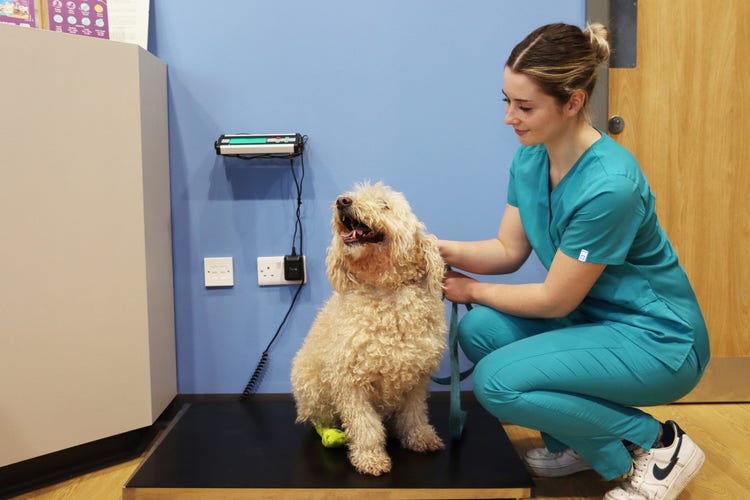
Regular visits with a vet or nurse, such as for vaccination or flea and worming treatment, are a good time to check in about your pet’s weight. A number on the scales often doesn’t give the whole picture, especially for cross-breeds where there is no expected weight range. Instead, we assess Body Condition Score (BCS). This is measured by looking at the pet from the side and above, and gently feeling over the body to gauge the amount of fat tissue over the ribs and pelvis. BCS is awarded from 1 to 9, with 1-3 considered underweight, and 6-9 considered overweight.
Pets who are mildly overweight, for example with a body condition score 6, will benefit from some diet and exercise changes. This may include reducing or removing treats, reducing meal size, and increasing exercise. For pets who are not severely overweight, successful management can usually be achieved with minimal veterinary intervention. Awareness is crucial and regular checks, every 3-6 months, are recommended for all pets scoring 5 or 6 to ensure they do not increase in weight and develop more significant problems.
Pets who score 7 or higher are considered significantly overweight, and weight management is likely to lead to substantial health benefits and improvement in quality of life. It is likely that simply reducing treats and walking for longer will not be enough to achieve a significant reduction in weight. Losing weight can be difficult, frustrating, and sometimes overwhelming. For pets with a body condition score of 7 or more, we strongly recommend nurse-led weight clinics. These involve a full assessment of your pet’s feeding and exercise, and the creation of an individual weight management plan. Check-ups are arranged as frequently as needed to keep everyone motivated and on track, and monitor progress.