CVS Vets are proud to launch this campaign to around 1,000 UK owners of senior dogs, which revealed a clear gap between awareness and practical knowledge of identifying lumps and bumps. 93% of owners with dogs over 7 are aware of how important regular checks are, but 33% don’t know how to check them properly, and 16% have never deliberately checked their dog.
Not every lump or bump is cancerous, but knowing exactly when a lump begins to form and how quickly it grows is essential to understanding when to see a vet about a lump.
Dr Shula Berg, Clinical Director at CVS Vets, walks you through how to check your dog and what lumps on older dogs to look out for.
How often should you check your dog for lumps and bumps?
A dog lump check should happen every 2-4 weeks. Most lumps grow fairly slowly, but it helps your vet to know exactly how long it has been there and how fast it is growing.
Without frequent checks, many dog owners present pets with a lump that has “just appeared”, but it has likely been growing for some time and has only just been noticed.
Knowing when a new lump on a dog appears helps vets identify what tests, if any, your pet needs, as a large lump that develops over days is more likely to be an abscess than a cancerous lump. So, creating a regular habit of checking your dog can help guide the diagnosis.
If a lump is cancerous, it is often treated with surgery, and for more senior dogs, catching this early reduces the risk of the lump becoming too large to operate on. Plus, the longer a cancerous lump exists, the more likely it will spread to other parts of the body through a process known as metastasis. So, even if the lump is surgically removed, if the cancer has spread, we are unlikely to be able to achieve a cure.
A regular senior dog health check routine doesn’t have to be an added effort to your day-to-day life. Our survey revealed that 48% of senior dog owners groom their dogs often and 35% check for ticks regularly, so it can be easy to incorporate a full body check during the time you’re already spending grooming or stroking your dog.
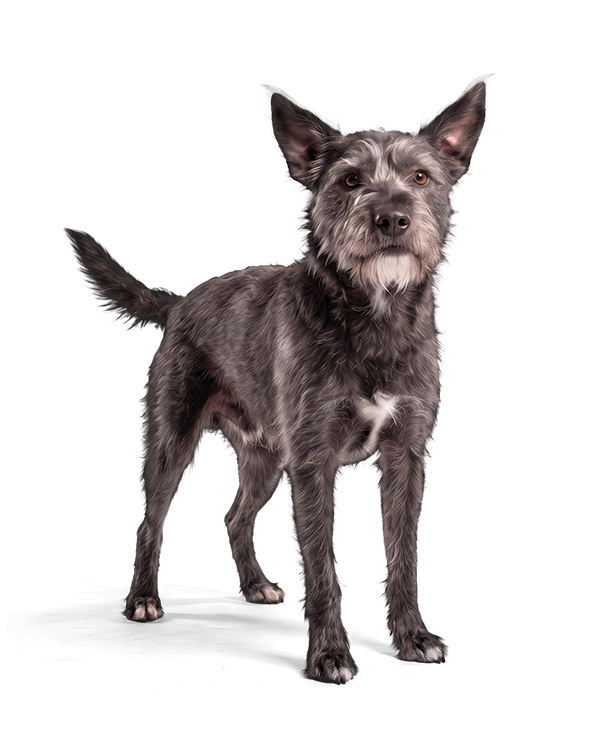
The easiest way to check over your dog is when they are standing. Gently run your hands over their body from head to tail, feeling for anything unusual. Make sure to go down each leg and underneath their chest and belly.
It helps to have one hand on either side of your dog to compare for symmetry. Often normal anatomy may feel weird when you are looking for problems. If in doubt, check the other side; if they both feel the same, it’s probably normal.
For dogs with thick coats of fur, you may need to put your hands through the fur until you touch their skin, as lumps can be disguised behind thick fur.
Common areas that are missed during checks are in harder-to-reach places, so the insides of the legs, their underside, around their genitals, and mouth should all be thoroughly checked.
Some dogs won’t like you putting your hands over their face and mouth, so you can start feeling from the ears backwards. But don’t miss the mouth completely; lumps around this area are harder to spot.
Check instead if your dog shows signs of bleeding from the mouth, excess salivation, difficulty eating or rubbing at the face, it is worth checking with a vet for potential lumps.
If you do find a lump during a check, part the fur and have a look.
- Is the lump growing out of the skin or under the skin?
- Does it look inflamed or sore?
- Note where it is, how big it is and how it feels
- If you can, take some photos (include a ruler next to the lump in the photo to help your vet understand its size).
When you find a lump that does change or grow, following these documentation steps will help during a vet consultation, as you can compare the photos for growth and change.
Changes that should prompt a vet visit include
- A lump getting bigger
- Changing in texture (going from soft to firm for example)
- Looking different (like going from smooth to bumpy)
- When it starts to bother your dog.
These changes don’t necessarily mean anything bad, but they’re a good time to get it tested to get more information.
What should a lump or bump feel like?
For most lumps, you can’t tell what it is just by looking and feeling. The most common assumption is that a soft lump under the skin is fatty, but other lumps like mast cell tumours can feel the same and are often much more aggressive.
Although lumps are more common for older dogs, that doesn’t mean they’re a normal part of ageing or that they should be ignored. Most lumps don’t cause discomfort or pain, but this isn’t a sign that the lump is nothing to worry about.
Trying to diagnose based on appearance or feel alone can be dangerous, and risks ignoring potentially serious problems.
People also assume with older dogs that they are too old for anaesthesia or surgery, so feel there’s ‘no point’ in having lumps checked. In reality, however, we can usually get a good idea of what a lump is with a simple test called a fine needle aspirate. It takes minutes, isn’t invasive and is performed during the consultation with your dog awake.
Once we know what we’re dealing with, we can give you options for further testing or treatment. You decide what is appropriate for your dog, but knowing what the lump is means we can explain the likely outcomes and help you make an informed decision.
Signs you should seek veterinary advice
While it’s difficult to diagnose a lump by how it looks and feels, there are some clear indications that you should visit a vet urgently, such as when the lump is
- Red and inflamed
- Painful to touch
- Weeping discharge.
These are potential signs of infection. Also, if you haven’t checked your dog before or in a long time, it would be sensible to contact your vet if you find a lump, as we don’t know how long it has been there.
What should you do if you find a lump?
65% of owners would contact a veterinary practice within three days of finding a new lump or bump, 29% the same day and 36% within 2-3 days.
The sooner you get it checked, the better, but make sure that you follow the steps in the guide above, as coming to the vet with documentation will help the vet diagnose it.
If you do notice a new lump or bump that isn’t painful, weeping or inflamed, continue to monitor it closely to note any changes or growth. If you document the size, how it feels, how it looks and take a picture you’ll be able to compare each check to see if it’s changed.
Any changes in texture, size and colour should be checked by a vet. If in doubt, speak to your vet.
As a Healthy Pet Club member, you'll have access to unlimited consultations, making it easy to ask our vets any questions you have with ease. Regular check-ups help ensure your dog is well looked after, and any potential problems can be spotted and diagnosed early. Not yet a member? Find out more about the Healthy Pet Club.
Methodology
The research was conducted by OnePoll, on behalf of CVS Vets, between 30th September and 6th October 2026, among 1,000 UK owners of dogs aged 7+.
The survey was conducted with respondents selected through random 1-in-n panel selection in the UK.