Cat drooling (hypersalivation)
We tend to associate the idea of a drooling animal with a large, happy dog, but cats can drool too! Hypersalivation, the proper term for creating too much saliva, can happen for lots of reasons. Anything from a bad taste in the mouth, dental disease or simply feeling relaxed can cause your cat to produce excessive saliva and dribble out of the mouth. Not all causes are concerning, but hypersalivation can sometimes suggest a serious problem. In this article we explain the causes, and how to know whether your cat should see a vet.
When drooling is normal
There are lots of situations where drooling would be considered normal behaviour. The best reason for drooling is because your cat is super relaxed and happy. It isn’t the best way to be complimented, but if you ever have your cat asleep on your lap enjoying a fuss, and find a wet patch near their mouth, you can feel honoured your cat feels truly safe and relaxed with you.
Cats can also hypersalivate if they feel stressed. This isn’t always concerning, provided you know the cause of the distress. The most common scenario where stress drool isn’t a concern is during a trip in the cat box, such as to the vet or cattery. This is often a combination of anxiety and motion sickness and should resolve once your cat is back home.
Lastly, cats are very sensitive to smell and taste. Sudden, extreme hypersalivation can be seen in response to a bad taste in the mouth such as after giving a tablet. Some cats will even look like they are foaming at the mouth after receiving a worming tablet. This isn’t worrying as we know the cause, and it should stop quickly, but if this response happens every time it would be worth speaking to your vet about alternative treatment options!
Potential causes making your cat drool
Hypersalivation is more concerning if we don’t know an obvious cause, if it is regular or constant, or if there are other symptoms associated such as vomiting or weight loss.
The most common causes of medical hypersalivation are something making the cat feel sick, or a problem in the mouth. These could include:
- Dental disease
- Ulcers in or around the mouth
- Oral tumours
- Organ dysfunction causing nausea, such as kidney disease
- Ingestion of something irritant or toxic
- Gastrointestinal disease, often also causing vomiting or diarrhoea
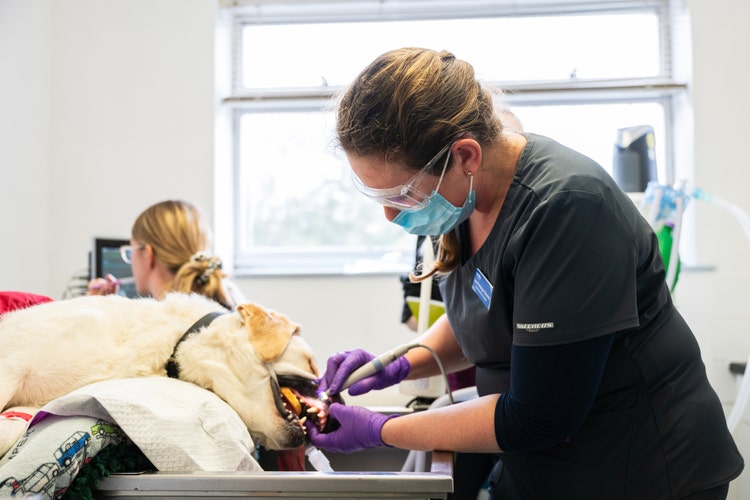
If your cat is drooling excessively and you don’t know the cause, it is recommended to have a check with a vet. They should be able to identify problems such as dental disease or ulcers on examination, though some problems in the mouth aren’t obvious until the pet is sedated. They may also recommend blood tests if they are suspicious of organ dysfunction or toxin ingestion.
Summary
Cats can drool for many different reasons. Some are not a cause for concern, especially if they are an obvious response to something like taking medication. Drooling can be a sign of something more serious however, especially if it is recurrent, doesn’t stop, smells bad, or is accompanied by vomiting, weight loss or changes in behaviour. If in doubt, we always recommend a check with your vet to be sure the drooling isn’t a sign of a problem that needs treating.